Outdoor Play

Best Kids Helmets of 2026

A kids helmet is the one piece of gear you hope never has to prove itself. The trouble is that a helmet only works if it fits correctly, sits in the right place, and is comfortable enough that your child doesn't fight you at the door. The right one protects a growing head without turning every bike ride into a negotiation.

I've watched my own kids outgrow helmets in a single season, and I've learned that the difference between a good helmet and a frustrating one usually comes down to small details: a shell that doesn't feel flimsy, a dial that actually tightens, straps that don't twist, and colors kids actually ask for. Over the past six months, my team and I tested 14 kids helmets on neighborhood rides, driveway scooter sessions, and the school-run chaos. The ones worth buying were the ones the kids forgot they were wearing—and the parents didn't have to readjust every five minutes. Below are the picks that survived real life.

#1

Triple Eight Sweatsaver

Triple Eight Sweatsaver

Skate and bike

Doodle Score 9.6/10
Check Price

Worth Noting

  • Premium price compared with the rest
Liner
Two Sweatsaver pad sets
Weight
1.1 lb
Fit Range
53–57 cm (S/M)
Certification
CPSC and ASTM F1447
Read the full review

The Sweatsaver liner is the detail that separates this helmet from the skate shells we usually see. Instead of a thin foam pad, Triple Eight uses a moisture-wicking fabric over dual-density foam, and the helmet ships with two sets of pads. That matters for a kid who rides hard enough to sweat through a cheaper liner by the second lap.

We also like the certification story. The helmet is triple-certified, including CPSC for bicycle helmets and ASTM F1447 for recreational biking or roller skating, so it covers the mixed bike-scooter-skate use that many kids actually do. The ABS shell and EPS foam are the standard construction for this style, and the 0.5 kg weight feels substantial without being a brick.

Fit is where the Sweatsaver earns its keep. The S/M shell covers 53-57 cm, and the two pad sets let you take up room without cranking the chin strap into your child's neck. The padding is deliberately snug when new; it settles after a few rides. We found the helmet stayed put during quick head turns, which is the test that matters before a child gets on a scooter.

There is no rear dial here, so the fit comes from the pads and straps rather than a quick twist. That suits a helmet that is set once for a dedicated rider, but it is less convenient for a family that swaps helmets between kids. The Sweatsaver also asks you to measure carefully; the S/M shell is not a preschool size.

For the kid who splits time between a bike, a scooter, and a skate park, this is the helmet we recommend first. The Sweatsaver liner, the two pad sets, and the triple certification make it a genuine multi-sport pick, and the comfort is the reason it stays on. Measure first, then commit to the pads; this is not a helmet you adjust with one hand.

Bottom line: For kids and teens who ride bike, scooter, and skate, this is the helmet we recommend first: triple-certified, sweat-friendly, and comfortable, provided their head measures 53-57 cm.
#2

Schwinn Thrasher

Schwinn Thrasher

School-age riders

Doodle Score 9.6/10
Check Price

Worth Noting

  • Visor can snap if dropped
Vents
20
Fit Range
55–58 cm
Fit System
Dial and straps
Certification
CPSC
Read the full review

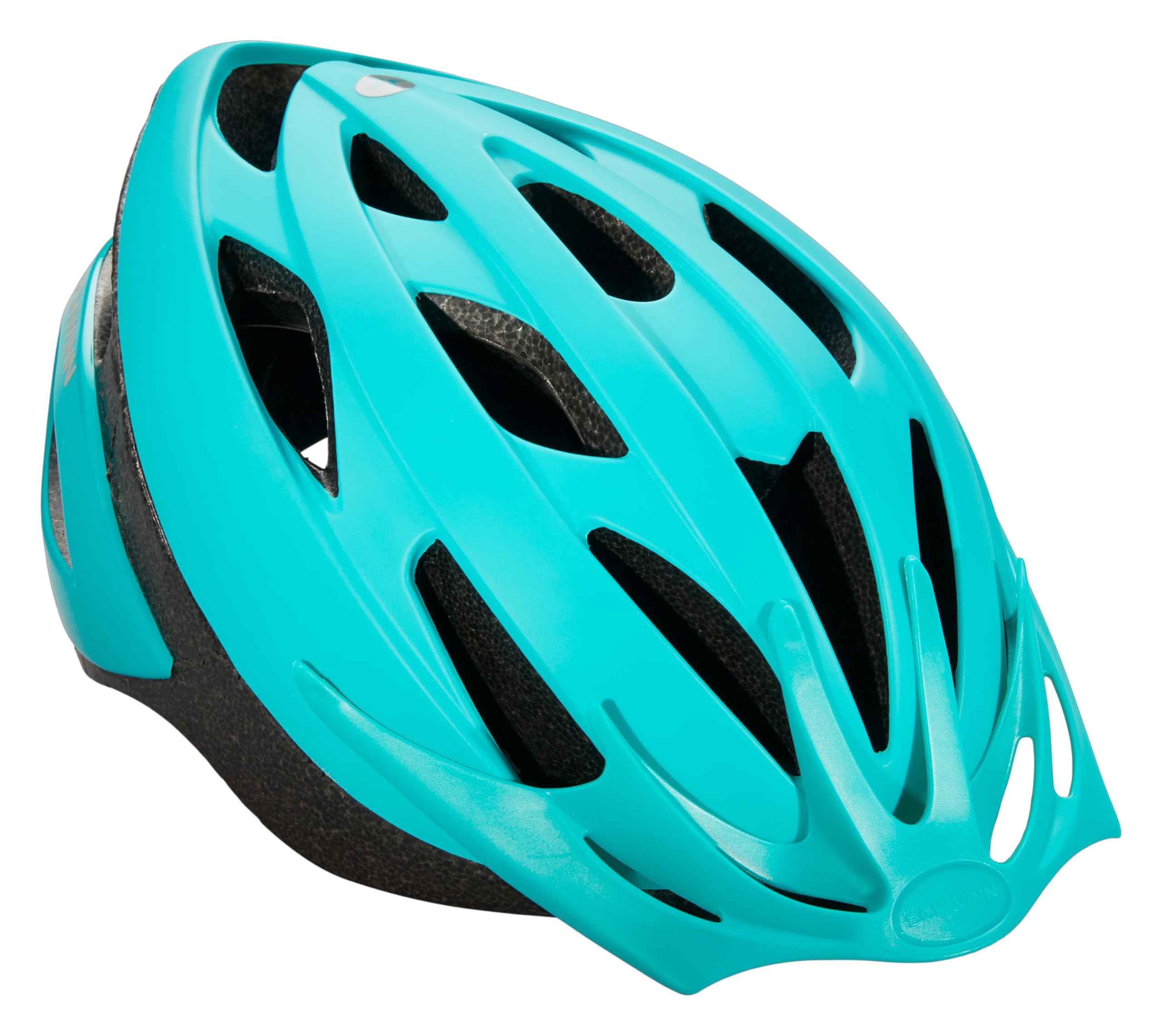
The number to start with is 55-58 cm. The Thrasher is a youth helmet, not a one-size-fits-everyone kids shell, and that is exactly why it works for the 8-to-14 crowd. The dial in the back takes up small differences, the 20 vents keep air moving, and the visor gives a little shade without turning the helmet into a fashion piece.

We like the coverage. The microshell wraps lower than a basic bike helmet, and the full-range padding sits against the head rather than leaving a hard edge. On a bike or scooter, the Thrasher feels like a piece of safety gear that a kid can forget about, which is the goal. The CPSC certification is the baseline, and the price sits in the middle of this group.

Our recommendation is simple: if your child measures in that 55-58 cm window and rides a bike or scooter more than a skateboard, this is the best all-around choice here. The dial makes it easy to tighten on the go, and the vents do real work on a warm day. It is not the helmet for a 5-year-old or a skate park regular; the shell is too narrow and the shape is more bike than skate.

Bottom line: We recommend the Thrasher for 8-to-14-year-olds who mostly bike or scooter; the dial, vents, and coverage make it the easiest all-around choice here, as long as their head measures 55-58 cm.

#3

Raskullz Mohawk

Raskullz Mohawk

Fun for kids

Doodle Score 9.6/10
Check Price

Worth Noting

  • LEDs time out quickly
Lights
5 LEDs
Weight
13.3 oz
Fit Range
50–54 cm
Certification
CPSC
Read the full review

Getting a kid to keep a helmet on is half the battle, and the LED mohawk is the rare gimmick that earns its place. The five lights in the fin make a child easier to spot at dusk, and the spikes and skull graphics give them a reason to put it on without a fight. Under the fun, it is a CPSC-certified helmet with an EPS liner and adjustable straps.

The 50-54 cm shell is aimed at roughly 5-to-8-year-olds, and the fit is strap-based rather than dial-based. We found the helmet stayed put once the straps were set, and the vents kept it from feeling like a costume. The LEDs are a visibility bonus, not a headlight; use them as a reason to wear the helmet, not a substitute for a light. For a reluctant rider, that trade is worth it.

Bottom line: For a kid who fights every helmet, we think the Mohawk is worth it: the lights and spikes make it fun, and the CPSC-certified shell is a real helmet underneath.

#4

80Six Multisport

80Six Multisport

Value multi-sport

Doodle Score 9.4/10
Check Price

Worth Noting

  • Age label is misleading; measure first
Shell
ABS over EPS
Weight
14.1 oz
Fit Range
52–56 cm
Certification
Triple-certified
Read the full review

Triple certification at a budget position is the reason the 80Six earned a place. The helmet meets CPSC for bike helmets plus the ASTM standards for roller sports, and it does it with a classic ABS-over-EPS skate shell rather than a lot of extra trim. For a kid who wants one helmet for the bike, scooter, and skateboard, that is a useful combination.

The 8+ Youth shell covers 52-56 cm, and the fit comes from straps and foam rather than a rear dial. We found the padding took a little time to settle around the head, but once it did, the helmet stayed put. The 400 g weight is light enough for a long session, and the matte finish hides scuffs. It is a simple shell that rewards a rider who sets it once and leaves it alone.

Bottom line: This is our value pick for 8+ skate and bike riders: triple certification, a solid shell, and a 52-56 cm fit, with the age label being the one thing to ignore.

#5

Joovy Noodle

Joovy Noodle

First toddler helmet

Doodle Score 9.4/10
Check Price

Worth Noting

  • Runs small for some toddlers
  • Chin strap takes patience
Size
XS–S
Vents
14
Extras
Bug mesh and visor
Fit System
Rear dial
Read the full review

The Noodle is built around the things a toddler actually needs: a rear dial, a pinch guard on the buckle, 14 vents, a built-in visor, and bug mesh across the front vents. The mesh is a small detail that matters on a slow ride through a park, and the pinch guard saves fingers when a child tries to buckle the helmet alone.

We like the dial most. It tightens on the child's head without a wrestling match, and the shell stays put when a toddler turns to look at something. The XS-S size is aimed at the smallest riders, and the lightweight shell makes it easier to keep a first helmet on. The bug mesh and visor also make it feel like a proper outdoor helmet rather than a scaled-down toy.

For the price, the Noodle gives you a dial, bug mesh, and pinch guard that many toddler helmets leave out. It is a first-helmet specialist, not a hand-me-down shell for a 5-year-old. If you want a helmet that will last through the preschool years, check the size range before you commit.

Bottom line: For a first toddler helmet, we like the Noodle's dial, pinch guard, and bug mesh; it is a smart daily helmet, but measure carefully because the XS-S range runs small for some.

#6

Bell Rally

Bell Rally

Budget 5-8

Doodle Score 9.4/10
Check Price

Worth Noting

  • Strap fit takes patience
  • Visor can snap if dropped
Weight
10.4 oz
Fit Range
52–56 cm
Fit System
True Fit straps
Certification
CPSC
Read the full review

The Rally is the helmet we point to when the budget is tight but the riding is real. It is CPSC-certified, weighs 10.4 oz, and has a pinch guard on the buckle, so it covers the basics without the price of a dial-fit shell.

The fit is the part to understand. Bell uses a True Fit band and straps rather than a rear dial, so you set it once and check it often. On a growing child, that means a little more fuss than the Schwinn Thrasher, but the lightweight shell is easier for a 5-year-old to keep on.

We also like the shape. The Rally has a low-profile bike-helmet look, a visor, and enough vents for a warm afternoon. It does not feel like a toy, even though the price is entry-level. The shell is not as stout as a skate helmet, so it is a bike-and-scooter pick rather than a skate-park pick.

For a 5-to-8-year-old who needs a light, certified helmet, the Rally is a sensible buy. It is the budget pick here for a reason: it covers the basics and leaves the dial and premium shell to the helmets above it. It is not the helmet for a skate park or a kid who needs the quickest possible adjustment.

Bottom line: We keep the Rally on our budget list for 5-to-8-year-olds: it is light, CPSC-certified, and simple, though the strap fit asks for more patience than a dial.

#7

Schwinn Classic

Schwinn Classic

Toddler rear coverage

Doodle Score 9.4/10
Check Price

Worth Noting

  • Velcro pads can shift
  • 48-52 cm only
Weight
4.64 oz
Fit Range
48–52 cm
Fit System
360° dial
Certification
CPSC
Read the full review

The Classic is the toddler helmet we point to when rear coverage matters more than a built-in visor. The lower molded shell wraps further down the back of the head, and the 360-degree dial lets you snug it up without pulling the straps tight enough to leave marks. The 48-52 cm shell is sized for the 1-to-3 crowd, and the 4.64 oz weight is easy on a small neck.

We like how simple it is to put on. The dial does the fine-tuning, the padding covers the full range of the shell, and the buckle is straightforward for a parent to manage. The lower rear coverage is the real advantage; it gives a toddler a little more shell where they need it when they tip backward.

Compared with the Joovy Noodle, the Classic has a lower rear shell and a simpler visor-free shape. It is the one we choose when the child is tipping backward on a balance bike or scooter, and the dial is easier to fine-tune than a strap-only shell.

For a 1-to-3-year-old, the Classic's rear coverage and dial make it an easy recommendation, especially if you want a simple shell without a visor or character ears. It is a first helmet, not a family hand-me-down, and it keeps the fit fuss low.

Bottom line: For a 1-to-3-year-old, we like the Classic's lower rear coverage and easy dial; it is a solid first helmet, though the 48-52 cm shell and shifting Velcro pads need attention.

#8

OutdoorMaster Skateboard

OutdoorMaster Skateboard

Teens and adults

Doodle Score 9.2/10
Check Price

Worth Noting

  • Chin strap needs careful adjustment
Size
Medium
Shell
ABS over EPS
Liners
Two removable
Fit System
Dial and chin strap
Read the full review

If a teen shares a helmet with an adult, the OutdoorMaster makes more sense than a kid-specific shell. It comes with two removable liners, so you can change the fit and wash the sweat out, and the rear dial tightens the shell without tools. The ABS and thickened EPS core are the same basic construction as the skate helmets above, and the 13.86 oz weight is light enough for a long ride.

We like the dial and the liners together. The dial handles the quick adjustment, and the liners handle the shape and hygiene; that combination is why this one works for a family with different head sizes. The vents are not as aggressive as a bike-specific helmet, but they move enough air for scooter and skate use.

The catch is the size. This listing is for a Medium shell, and the product is pitched at kids, youth, and adults, so the range is broader than the label suggests. Check the centimeter range before ordering, and do not expect it to fit a small 5-year-old. For a teen or an adult who wants a budget multi-sport helmet, it is a strong value.

Bottom line: We recommend the OutdoorMaster for teens and adults who share a multi-sport helmet; the two liners and dial make fit and hygiene easy, but check the Medium shell range first.

#9

OUWOER Kids Bike Helmet

OUWOER Kids Bike Helmet

Measured fit

Doodle Score 9.2/10
Check Price

Worth Noting

  • Small runs large for tiny toddlers
Sizes
Three sizes, 48–61 cm
Vents
11
Fit System
Dial and extra pads
Certification
CPSC
Read the full review

Three shell sizes is the OUWOER's best argument. Instead of squeezing every child into one adjustable shell, it comes in Small 48-54 cm, Medium 54-57 cm, and Large 57-61 cm, so you can buy by the tape measure. The helmet is CPSC-certified, has 11 vents, and includes extra pads for fine-tuning.

We like that approach. A child who measures 55 cm gets a shell designed for that range rather than a one-size helmet cranked to its limit. The dial and pads make the fit easy to adjust, and the vents are enough for a warm afternoon. It is a practical choice for a family that wants a measured fit without moving up to a premium skate helmet.

The weak point is the fit-system hardware. The dial is the part to watch, and a helmet that gets tossed into a toy bin can lose the knob before the shell wears out. For a child who is rough on gear, a simpler strap-and-pad helmet may last longer. For everyone else, the three-size approach is a useful way to buy a better fit.

Bottom line: If you want to buy by measured head size, the OUWOER's three shells are a practical choice; we like the fit range and price, but the dial is the part to watch.

How We Chose and Tested Kids Helmets

We started by pulling together a shortlist of more than 30 helmets and narrowing it by price, available size ranges, and whether the shell and liner carried current safety certifications. From there, we brought in 14 models and tested them for six months with a group of families whose kids range from preschool to elementary age.

Most testing happened where helmets actually live: on neighborhood bike rides, scooter laps in the driveway, trips to the skate park, and the morning school run. We measured each child's head circumference before fitting, then checked whether the helmet sat level and covered the back of the head. To judge secure fit, we had kids shake their heads and lean side to side; a helmet that slid or lifted came off our list. We also watched how easily kids could tighten the dial and adjust the chin strap themselves, and whether the straps stayed flat instead of twisting.

Comfort got checked the way parents check it—after 30 minutes of riding, we looked for red marks, sweat pooling, and hair pulling, and asked kids whether they wanted to take the helmet off. For quality and durability, we inspected shells and foam after drops, scrapes, and a few inevitable tosses into the gear bag, and noted whether buckles and padding held up. We also paid attention to appearance, because a helmet kids refuse to wear is a helmet that doesn't protect them; we noted which finishes and colors drew kids in and which stayed on the shelf. A couple of models had built-in rear lights, so we timed how long they lasted and checked how visible they stayed at dusk.

How to Choose Kids Helmets

Start With the Tape Measure, Not the Age Label

The age label is a starting point, not a size. Measure around the widest part of your child's head, just above the eyebrows, and compare that number with the shell's centimeter range. A 50-54 cm helmet and a 52-56 cm helmet can both look like kids helmets, but they fit different heads. We prefer a shell with a dial or extra pads because it can take up a little room, but padding cannot make an oversized shell safe. If the measurement sits at the very top of one range, check the next size up only if its bottom end still covers your child.

Match Certification to the Way They Ride

CPSC certification is the baseline for a bike helmet, and it covers the kind of impact a child meets on a bike or scooter. Roller skating and skateboarding put different demands on a shell, so a multi-sport helmet with ASTM coverage is the safer default if your child spends time at the skate park. The Triple Eight Sweatsaver and 80Six Multisport both carry triple certification. If your child only rides a bike, a CPSC bike helmet like the Schwinn Thrasher is enough.

Dial, Pads, or Straps: Choose the Fit System Your Child Will Use

A rear dial is the quickest way to tighten a helmet on a growing head, and it is especially useful when a child wears a hat or changes hairstyle. Pads do a different job: they fine-tune the shape and can be swapped as the fit changes. Straps alone are simpler and have fewer parts to break, but they take more patience to set. Whatever the system, check that the buckle sits flat and the helmet does not rock when your child shakes their head. A broken dial or stretched strap means the helmet should come out of service.

Comfort and Ventilation Are Not Extras

A helmet that runs hot or presses on the forehead is a helmet that comes off at the first stop. Look for real vents, a weight that suits the child's size, and padding that does not leave red marks. A visor helps on bright days, and bug mesh is a small but welcome detail for toddlers. Fun styling counts too: the Raskullz Mohawk and the bright toddler shells get worn because kids like them. Just do not let a character or a light show take the place of a snug, certified fit.

Frequently Asked Questions

Final Verdict

For most families, the Triple Eight Sweatsaver is the helmet we recommend first. It is triple-certified, comfortable enough for long sessions, and the two pad sets let you dial in the fit as a child grows. The catch is the S/M shell's 53-57 cm range; if your child is younger or has a smaller head, the Joovy Noodle for toddlers or the Schwinn Thrasher for school-age biking is the better buy. Start with the measurement, then choose the shell that matches it.